
 By watson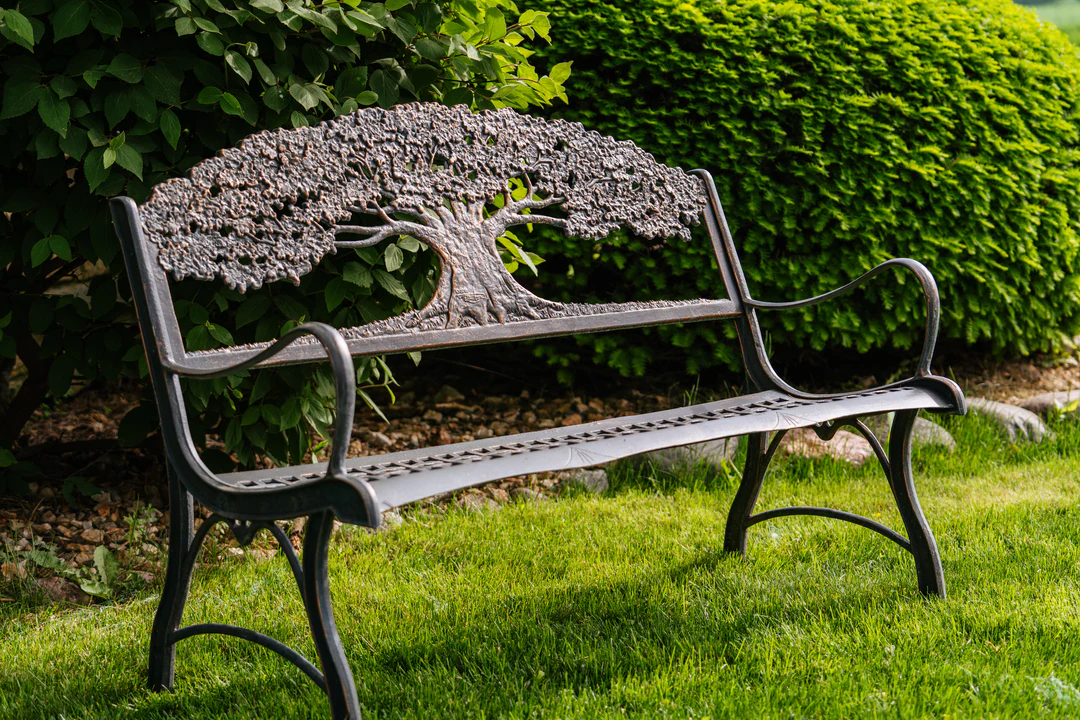
A bench, in its most basic form, is a long, sturdy piece of furniture designed for sitting. It often features a flat surface and can accommodate multiple people at once. While its functionality seems simple, the bench is a versatile and ubiquitous object found in parks, homes, schools, workplaces, and public spaces all over the world. Whether in a public garden, a sports stadium, or a private home, the bench holds a special place in our daily lives, offering a place of rest, conversation, contemplation, or even reflection.
In this article, we’ll explore the many facets of the bench, from its historical origins to its modern-day significance in both practical and cultural contexts. We’ll also look at the different types of benches and why they remain a staple in our daily environments.
A Brief History of the Bench
The bench has been around for centuries, with its origins tracing back to ancient civilizations. Archaeological evidence suggests that the earliest forms of seating were rudimentary stone or wooden slabs, used primarily in homes, temples, and public spaces. The ancient Egyptians, Greeks, and Romans were some of the first to design and use benches as part of their public and private architecture.
In Ancient Greece, for example, the bench was integral to the agora (public square), providing seating for citizens to engage in political discourse. The Greeks valued communal spaces, and the bench became an object that facilitated interaction and civic engagement. Over time, benches evolved from simple wooden planks into more decorative and crafted pieces of furniture, especially during the Renaissance period, when skilled carpenters began to design more ornate and intricate benches for palaces and churches.
The Bench as a Symbol of Rest and Reflection
While benches can be found in countless settings, their role as a place to sit, relax, and reflect cannot be overstated. The act of sitting on a bench often invites stillness, giving individuals a moment to rest their bodies and clear their minds. In parks or outdoor spaces, benches are strategically placed in scenic spots, allowing people to pause and take in the beauty of their surroundings.
In some cases, benches serve as temporary sanctuaries for people in moments of introspection or sorrow. A quiet bench in a serene park might be the perfect spot for a person to reflect on life, contemplate their thoughts, or simply escape from the hustle and bustle of daily life. The bench becomes a metaphorical symbol of mental rest and space to breathe.
Moreover, benches are frequently used for their more social role: offering a place to meet, converse, or even just sit silently alongside someone else. Whether it’s a quick chat with a stranger in a park or a deeper conversation with a friend on a bench overlooking a lake, this humble piece of furniture fosters human connection in many different ways.
Bench Design and Functionality
Benches come in a variety of forms, each serving a distinct purpose. In public spaces, benches are often designed with durability and function in mind. They may be made from metal, concrete, or stone, ensuring they can withstand the elements and heavy use. Public benches are frequently built to discourage misuse, with features like armrests to prevent people from lying down or adjustable backrests to improve comfort.
In contrast, benches for the home are more focused on aesthetics and comfort. These might be found in dining rooms, entryways, bedrooms, or gardens, and they come in a wide range of materials, such as wood, leather, or fabric. In modern interior design, benches are often multifunctional, serving not only as seating but also as storage spaces or decorative elements that complement the overall style of a room.
Types of Benches
- Park Benches: These are perhaps the most common type of bench, found in public parks, gardens, or along streets. They are typically made from durable materials like wood, metal, or recycled plastic, and they are built to withstand outdoor conditions. Some park benches even feature features like armrests, backrests, and wide seating areas to accommodate multiple users at once.
- Dining Benches: In many homes, dining benches are used as an alternative to traditional chairs. Dining benches can accommodate more people, creating a more communal or informal dining experience. These benches are often cushioned and upholstered, adding comfort while providing additional seating options.
- Storage Benches: These are benches designed with functionality in mind. Often found in entryways or bedrooms, storage benches have a compartment underneath the seat that allows for the storage of shoes, hats, blankets, or other items. This dual-purpose feature makes them a practical addition to homes with limited space.
- Garden Benches: Garden benches offer a peaceful place to sit and enjoy nature. They are typically placed in areas where people may want to relax and absorb the beauty of their surroundings. Whether it’s a flower garden, a tree-lined path, or a garden by a pond, garden benches become an integral part of the landscape.
- Waiting Benches: These benches are common in transit stations, hospitals, airports, and other public places where people wait. They are designed for comfort and ease of use, providing a place for people to rest during long waits. Often made from hard plastic or metal, these benches are durable and easy to maintain.
- Sporting Benches: Found on sports fields or in locker rooms, sporting benches provide seating for players, coaches, and spectators. They are typically made from durable materials, such as metal or wood, and often feature built-in storage for equipment and personal items. In stadiums, benches are sometimes integrated into the stands, offering additional seating for fans during events.
Benches and Public Spaces
One of the primary functions of the bench in modern society is its role in public spaces. In cities and urban environments, benches serve as a key feature in urban design, giving people a place to rest, chat, or simply people-watch. They help transform public spaces into more welcoming and accessible areas, offering a moment of respite in bustling environments.
The design of public benches can have a significant impact on how people interact with a space. Some cities have made efforts to make benches more inclusive and accessible, ensuring that benches are designed to accommodate people of all ages and abilities. For instance, benches with armrests can be especially helpful for elderly individuals or those with mobility issues, while benches with wider seats can provide a comfortable option for people with larger body types.
Furthermore, the placement of benches is often a carefully considered aspect of city planning. Bench placement can encourage social interactions, foster a sense of community, or enhance a particular aesthetic of an area. For example, benches in parks are often strategically positioned near scenic views or gardens, while benches along busy streets can offer a quiet escape from the chaos of the city.
The Bench as a Cultural Icon
In addition to its practical applications, the bench has also become a cultural icon in literature, art, and film. Many artists and writers have used the bench as a symbol of introspection, connection, or transition. The bench is often portrayed in scenes of deep conversation, quiet reflection, or moments of pivotal change.
For example, in the 1997 film Good Will Hunting, the bench becomes a symbol of the emotional growth of the protagonist, Will. It’s here that he has a life-changing conversation with a therapist (played by Robin Williams) about love, pain, and healing. The simple bench, in this case, becomes a place where deep personal transformation occurs.
Conclusion
From its ancient origins as a simple plank of wood to its modern-day presence in public parks, private homes, and urban landscapes, the bench has become an object that holds more meaning than its function might suggest. It’s a space of rest, conversation, reflection, and connection. Whether serving as a practical seating solution, a symbol of respite, or an icon in art and culture, the bench is a constant reminder of the importance of slowing down, taking a seat, and simply being present.
Ultimately, the bench is a symbol of the human need for pause and connection, and its enduring relevance speaks to our ongoing desire for places of rest and reflection in our fast-paced world.