
 By Admin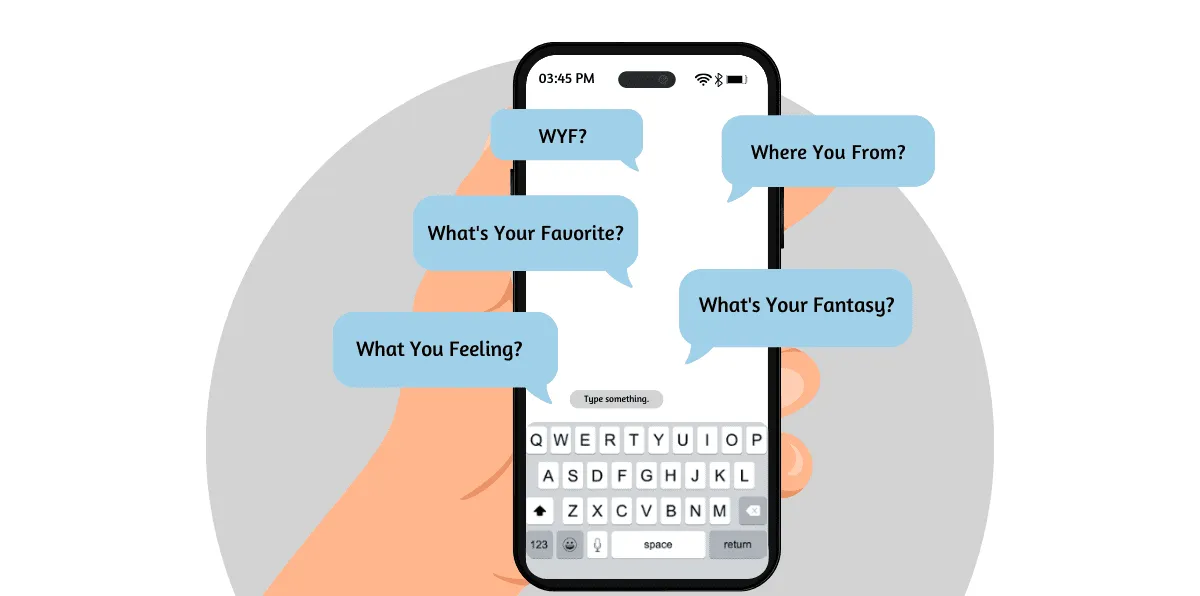
In a world where communication is often distilled into quick texts and succinct abbreviations, it’s easy to overlook the deeper meanings behind these seemingly simple terms. One such abbreviation that has gained traction in recent years is “wyf,” which stands for “what’s your fate?” But this phrase goes beyond a mere inquiry; it touches on our identities, aspirations, and the paths we choose to forge. In this blog post, we’ll dive into the significance of wyf—exploring how this little acronym encapsulates profound questions about who we are and where we’re headed. So buckle up as we unravel the layers of identity tied to this catchy phrase and discover why understanding “wyf” can spark essential conversations about our destinies!
Introduction to wyf meaning
Have you ever come across the term “wyf meaning” and wondered what it stands for? This simple abbreviation carries a wealth of meaning, especially in today’s interconnected world. “Wyf,” often interpreted as “Where are you from?” serves as more than just a casual conversation starter. It dives deep into our identities, cultural backgrounds, and personal narratives. As we explore its significance, you’ll discover how such a straightforward question can open doors to rich discussions about heritage and belonging. Join us on this journey to unpack the layers behind wyf meaning and understand why asking where someone is from matters more than ever.
The history of Wyf and its origins
The abbreviation “wyf,” meaning “where are you from?” has roots that trace back to the early days of digital communication. As social media platforms emerged, users sought quicker ways to express common questions.
This shorthand gained traction in online forums and chat rooms, where brevity was essential. The need for concise communication led to various abbreviations surfacing, with wyf becoming a popular choice.
Interestingly, its usage reflects not just geographical inquiry but also an avenue for cultural exchange. Asking about someone’s origins can spark deeper conversations about identity and experiences.
Over time, wyf transcended mere functionality. It evolved into a means of connection among diverse individuals navigating complex social landscapes in both virtual and real-world interactions. This evolution showcases how language adapts to our changing modes of interaction while retaining significance in understanding ourselves and others better.
Understanding the significance of asking
Asking “Where are you from?” is more than just a casual conversation starter. It serves as an invitation to share stories and experiences that shape our identities.
This simple question often opens doors to deeper discussions about culture, traditions, and personal histories. When someone reveals their origins, it can evoke pride or nostalgia, linking them to their roots.
For many, this question offers a sense of belonging or connection. It allows individuals to express what home means to them—whether it’s tied to geographic locations or family legacies.
However, the significance varies across cultures. In some places, it’s seen as polite curiosity; in others, it may feel intrusive. Understanding these nuances adds layers of meaning every time we ask or answer this seemingly straightforward query.
How wyf connects to identity and cultural background
The phrase “wyf meaning,” shorthand for “where are you from?” transcends mere geography. It taps into the essence of personal identity and cultural heritage.
When someone asks this question, they seek more than a location. They want to connect with experiences, traditions, and stories that shape who we are. The answer often reveals layers of history—family roots, migration tales, or even shared struggles.
This inquiry fosters connection among diverse individuals. It allows us to explore similarities and differences in backgrounds. Each response carries nuances that enrich conversations.
In various cultures, answering “wyf” can differ significantly. Some may respond with pride about their hometowns, while others might hesitate due to complex identities shaped by multiple influences.
Understanding how “wyf” relates to our sense of belonging helps bridge gaps between people from different walks of life, highlighting the importance of recognizing where we come from as part of our unique journey.
Cultural differences in answering wyf
Cultural responses to “wyf” can vary significantly across different societies. In some places, people may answer with pride about their hometown or country, sharing a detailed narrative of their roots. For them, this question is an opportunity to showcase their heritage.
In contrast, others might find the inquiry intrusive or uncomfortable. They may respond with vague answers or even deflect the question altogether. The level of personal connection tied to one’s origins often influences these reactions.
In cultures where identity is closely linked to family lineage, specifics matter greatly. People might share stories that span generations and celebrate deep cultural ties.
Conversely, in more transient societies, the emphasis could shift towards experiences rather than locations. Here, individuals might prefer discussing where they currently live instead of delving into past affiliations. This reflects a dynamic understanding of identity shaped by migration and globalization.
The impact of globalization on the use of wyf
Globalization has transformed how we communicate and connect. The abbreviation “wyf” has emerged as a reflection of this shift, making its way into casual conversations across cultures.
As people from various backgrounds interact more frequently, the question “Where are you from?” becomes essential in establishing connections. It goes beyond mere geography; it’s about shared experiences and understanding one another’s roots.
In digital spaces, social media platforms amplify this trend. Users often encounter diverse identities that challenge traditional notions of belonging. The rise of remote work further blurs geographic lines, prompting individuals to embrace varied cultural narratives when someone asks “wyf”.
Yet, while globalization brings us closer together through language and technology, it can also dilute unique traditions. As we adopt abbreviations like “wyf,” some may worry that local customs might fade into the background amid global influences.
Alternatives to asking
When looking for alternatives to “Where are you from?” consider asking about someone’s favorite cultural dish. This opens up a conversation that dives into their heritage without putting them on the spot.
You could also inquire about their hometown’s unique traditions or festivals. Such questions allow individuals to share personal stories that highlight their background in a more relaxed manner.
Another interesting approach is to ask, “What place feels like home to you?” This question invites deeper reflections and can lead to discussions of identity beyond geographical roots.
Additionally, try exploring shared interests by asking what travel destinations they cherish most. It shifts the focus from identity alone to experiences they’ve had, creating common ground between both parties.
These alternatives not only enrich conversations but also foster connections grounded in mutual understanding and curiosity.
Conclusion: Embracing our diverse identities through wyf.
The way we connect often begins with simple questions. When someone asks, “Where are you from?” or uses the abbreviation wyf, it opens a window into their identity and cultural background. This seemingly straightforward inquiry can lead to rich conversations about heritage, traditions, and experiences that shape who we are.
As our world becomes more interconnected through globalization, the meaning of wyf evolves alongside shifting cultural landscapes. Understanding its implications deepens our appreciation for diverse identities.
While there may be alternatives to this question—such as asking about someone’s favorite local dish or tradition—the essence remains: it’s an invitation to share stories and foster connections.
Embracing the significance of wyf allows us not only to recognize where others come from but also to encourage self-reflection on our own backgrounds. Each interaction can cultivate empathy and understanding in an increasingly complex world.
Countless threads of history and culture weave together our identities. By engaging openly with each other through questions like “wyf,” we celebrate those differences while recognizing shared humanity at the same time. This journey toward deeper connection continues as long as we remain curious about each other’s stories.