
 By watson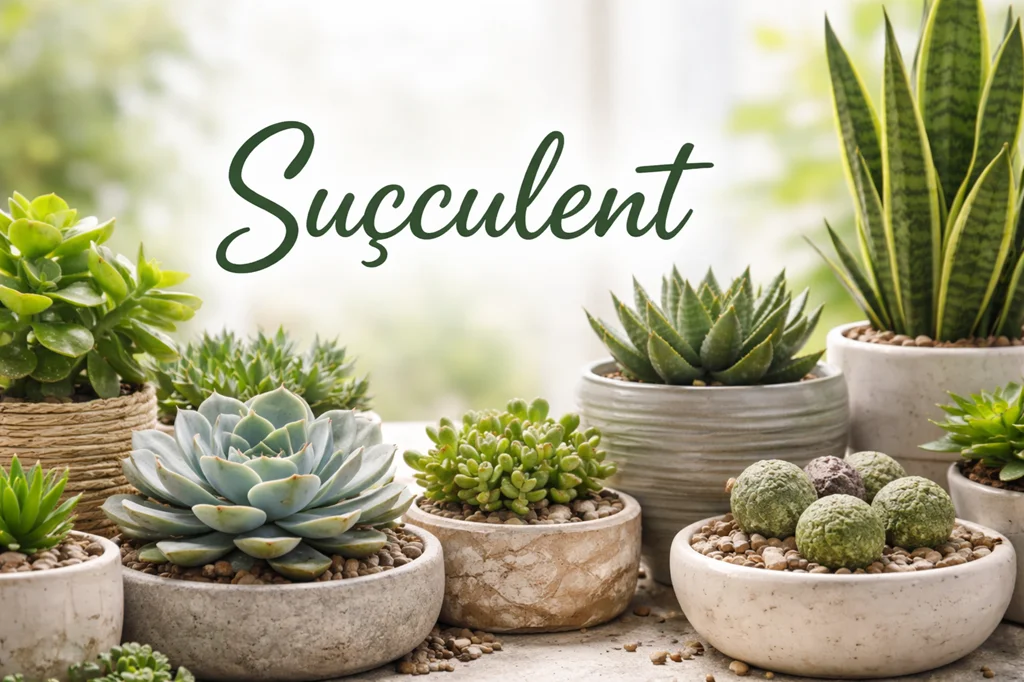
Succulents have captured the attention of garden enthusiasts, interior designers, and casual plant lovers alike, becoming a hallmark of modern home decor. With their striking appearance, easy care routines, and variety of forms, it’s no surprise that succulents have gained such popularity. In this article, we will explore the charm of succulents, their benefits, types, care tips, and how to incorporate them into your home and garden.
What are Succulents?
Succulents are a group of plants characterized by their thick, fleshy leaves and stems, which store water. This unique feature allows them to survive in arid conditions where other plants might not thrive. The term “succulent” comes from the Latin word sucus, meaning juice or sap, referring to their water-storing ability. While many people associate succulents with cacti, they are not limited to this family. Succulents belong to a variety of plant families, including Crassulaceae, Agavaceae, and Aizoaceae.
Succulents can be found in a wide range of shapes, sizes, and colors. From rosettes to tall spikes, they can suit various tastes and spaces. Some common types of succulents include the Aloe Vera, Echeveria, Sedum, and the jade plant (Crassula ovata). Succulents are also well-known for their beautiful flowers, which typically bloom in colors like pink, yellow, and red.
The Benefits of Growing Succulents
Succulents are not just beautiful to look at—they offer numerous benefits, both aesthetic and practical. Some of the key advantages of growing succulents include:
- Low Maintenance: One of the most appealing qualities of succulents is their low-maintenance nature. They do not require frequent watering or intense care. For those who have busy schedules or are new to gardening, succulents are an ideal choice.
- Drought Resistance: Due to their water-storing capacity, succulents can survive prolonged periods without rain. This makes them an excellent choice for areas with limited rainfall or for individuals who might forget to water their plants regularly.
- Air Purification: Like many plants, succulents can help purify the air by absorbing carbon dioxide and releasing oxygen. Some varieties, such as the Aloe Vera, are particularly known for their air-purifying properties.
- Therapeutic and Aesthetic Value: The act of caring for plants can be therapeutic, reducing stress and improving mental well-being. Succulents are also prized for their unique and attractive appearance, adding beauty to both interior and exterior spaces.
- Versatility in Design: Whether it’s in a small pot on your desk or a large container in the garden, succulents can adapt to nearly any space. They complement various home decor styles, from minimalistic to boho, and can be used in diverse ways—from creating succulent arrangements to vertical gardens.
Types of Succulents
Succulents are incredibly diverse, and there are countless varieties to choose from. Some of the most popular succulents include:
- Aloe Vera: Known for its medicinal properties, Aloe Vera is a popular succulent. It has thick, spiky leaves that store water and gel, which is used to treat burns, cuts, and skin irritation. Aloe Vera plants prefer bright, indirect sunlight and well-draining soil.
- Echeveria: Echeveria plants are rosette-shaped succulents with wide, fleshy leaves. They come in a variety of colors, from shades of blue and green to deep purples and reds. Echeveria is one of the most common succulents used in decorative arrangements and terrariums.
- Jade Plant (Crassula Ovata): The jade plant, with its glossy, rounded leaves, is often considered a symbol of good luck and prosperity. It is a popular houseplant that can grow into a small shrub when given the proper care.
- Sedum (Stonecrop): Sedum is a genus of plants that includes both ground-covering varieties and taller, more vertical types. Sedum is incredibly hardy and can thrive in harsh conditions, including poor soil and drought-prone environments.
- String of Pearls (Senecio rowleyanus): This trailing succulent features small, bead-like leaves that look like pearls strung on a necklace. It’s an excellent choice for hanging baskets or as a statement piece in plant arrangements.
- Panda Plant (Kalanchoe Tomentosa): This adorable succulent has velvety, silver-grey leaves with brownish edges. The Panda Plant is a small, compact succulent that thrives in bright, indirect light and can be grown indoors or outdoors.
How to Care for Succulents
While succulents are relatively easy to care for, they still require attention to thrive. Here are some essential tips for caring for your succulents:
- Light: Most succulents need plenty of light to grow properly. A sunny windowsill or a well-lit spot in your home is ideal. While succulents can tolerate some shade, they may become leggy and weak if they don’t receive enough light.
- Watering: Overwatering is one of the most common mistakes people make when caring for succulents. These plants store water in their leaves, so they only need to be watered when the soil is dry to the touch. A good rule of thumb is to water deeply but infrequently, allowing the soil to dry out completely between waterings.
- Soil: Succulents require well-draining soil. If you’re planting succulents in containers, make sure the pots have drainage holes. For outdoor gardens, amend the soil with sand or gravel to ensure proper drainage.
- Temperature: Succulents generally prefer warmer temperatures. They thrive in temperatures ranging from 60°F to 85°F (15°C to 29°C). If you’re growing succulents indoors, keep them away from cold drafts and direct air conditioning.
- Fertilization: Succulents don’t require frequent fertilizing. During the growing season (spring and summer), you can feed them with a diluted, balanced fertilizer once a month. Avoid fertilizing during the dormant period (fall and winter).
- Pest Control: While succulents are relatively pest-resistant, they can occasionally be affected by mealybugs or aphids. Check your plants regularly for signs of pests and treat them with an insecticidal soap or neem oil if necessary.
Succulents in Interior Design
Succulents have found a place in interior design due to their striking appearance and versatility. They can be incorporated into almost any room, adding a touch of nature and life to the space. Here are some popular ways to incorporate succulents into your home:
- Terrariums: Succulents thrive in small, glass containers where they are protected from the elements but still get ample light. A terrarium is an excellent way to create a mini garden within your home.
- Wall Planters: Vertical succulent gardens are a creative and space-saving way to display these plants. You can create wall planters by mounting small pots or using pre-designed succulent grids.
- Succulent Centerpieces: Whether for a dining table, coffee table, or bookshelf, succulents make stunning centerpieces. Mixing different types and colors can create an eye-catching arrangement.
- Desk Plants: Succulents are great office companions due to their minimal care needs and the positive effect plants can have on productivity and mood. Small succulents in decorative pots make for low-maintenance desk accessories.
Conclusion
Succulents are more than just trendy plants—they are hardy, low-maintenance, and incredibly versatile. Whether you’re a seasoned gardener or a beginner, succulents offer an easy and rewarding way to add greenery to your home or garden. From their air-purifying benefits to their ability to thrive in drought conditions, succulents continue to capture the imagination of people around the world. So, whether you prefer a single potted succulent or a sprawling garden arrangement, there’s no denying that these unique and beautiful plants are here to stay.