
 By Admin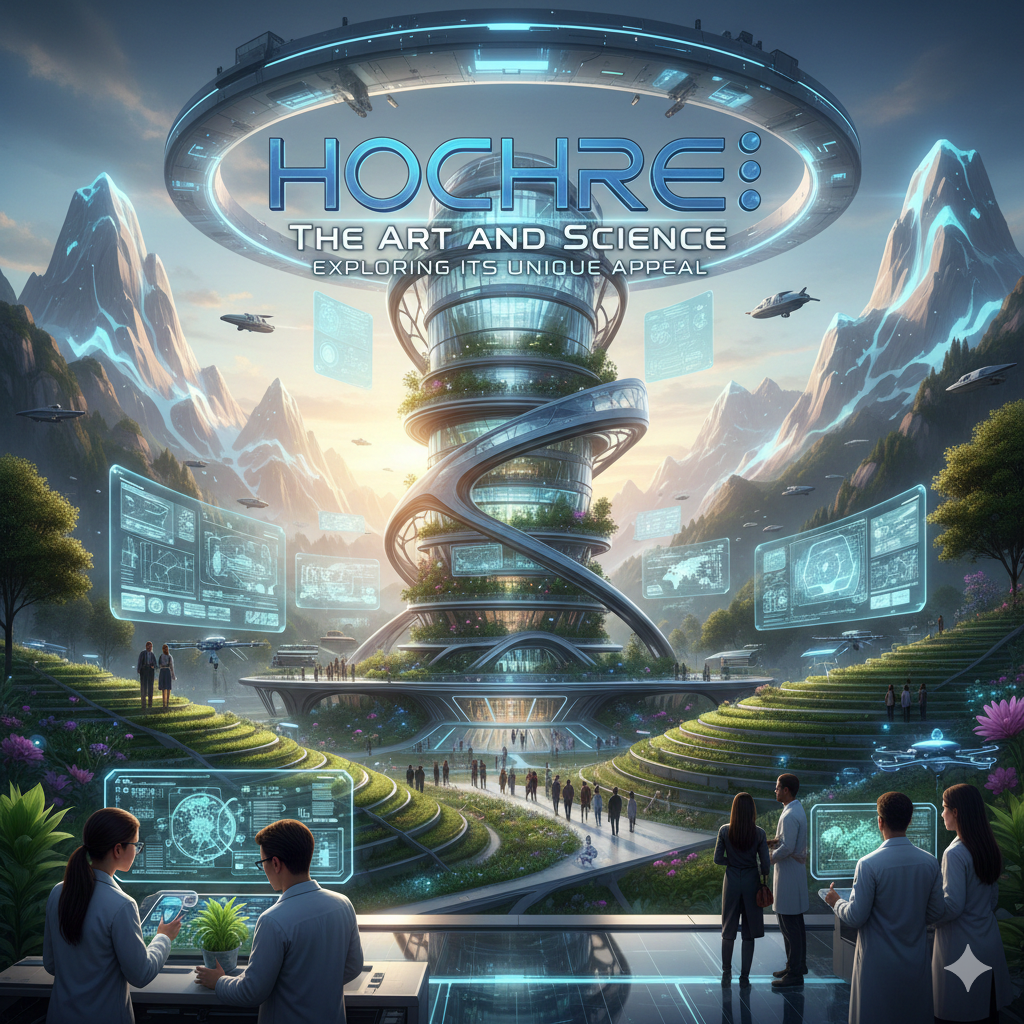
In the ever-evolving landscape of digital art and generative aesthetics, a distinctive visual style has been quietly captivating designers, artists, and social media audiences alike. Known as HOCHRE, this trend is characterized by its minimalist yet profound interplay of geometric forms, stark contrasts, and a palpable sense of spatial ambiguity. More than a fleeting filter or a simple preset, HOCHRE represents a sophisticated convergence of artistic intuition and mathematical precision, crafting a unique appeal that resonates on both an emotional and intellectual level.
Decoding the Visual Language
At first glance, a HOCHRE composition often presents itself as a study in reduction. Its core elements are deceptively simple:
- Architectural Geometry: Clean lines, arches, circles, and rectangles are stripped of ornamentation, reduced to their purest forms.
- Monolithic Volumes: Shapes feel heavy, solid, and volumetric, often appearing as immense structures in undefined spaces.
- High-Contrast Lighting: Dramatic light sources create deep, sharp shadows and brilliant highlights, sculpting forms with chiaroscuro intensity.
- Limited, Often Muted Palettes: Color is used sparingly. The focus rests on the relationship between light, shadow, and material—think concrete grays, desert sands, and stark blacks and whites.
- Ambiguous Scale and Space: Is it a monumental building or a small object? An interior corner or an alien landscape? HOCHRE masterfully plays with perception, leaving the scale and context purposefully vague.
This visual language doesn’t just create an image; it constructs a mood. It evokes feelings of solitude, awe, tranquility, and existential contemplation. The silence in a HOCHRE piece is almost audible.
The Science of the Sublime: Where Logic Meets Emotion
- Cognitive Fluency and Complexity: Our brains enjoy patterns and simplicity (fluency) but are also drawn to elements that challenge understanding (complexity). HOCHRE strikes a perfect balance. The simple geometric forms are easy to parse, while the ambiguous spatial relationships introduce a pleasurable cognitive puzzle. We instinctively try to “solve” the scene, keeping us engaged.
- Mathematical Purity and the Golden Ratio: Beneath the artistic surface often lies a rigorous mathematical skeleton. Proportions frequently align with the Golden Ratio or other harmonic principles. This subconscious recognition of mathematical order contributes to a deep-seated sense of balance and aesthetic pleasure, a phenomenon supported by studies on human preference for proportional harmony.
- The Psychology of Minimalism: In an era of visual noise and information overload, HOCHRE’s minimalism acts as a visual respite. It leverages the psychological benefits of minimalist design: reduced cognitive load, increased focus, and the creation of a calming, contemplative space for the viewer.
- Digital Craftsmanship: HOCHRE is fundamentally a child of the digital age. This allows for perfect control over lighting, geometry, and texture—an impossible level of precision in the physical world. The artist becomes an architect of virtual space, a sculptor of light algorithms.
The Artistic Heritage: A Digital Dialogue with History
While feeling utterly contemporary, HOCHRE dialogues with a rich artistic heritage. It draws clear inspiration from:
- 20th Century Modernism: The Bauhaus emphasis on form and function, and the brutalist architecture’s celebration of raw, geometric concrete, are direct precursors.
Furthermore, its shareability is key. In the fast scroll of social media, a HOCHRE image acts as a visual anchor—striking, instantly recognizable, and emotionally potent enough to make a viewer pause.
Conclusion: More Than a Trend
HOCHRE is more than an aesthetic trend; it is a testament to the evolving relationship between human creativity and digital tools. It proves that within the limitless possibilities of the virtual, there is a profound power in restraint, geometry, and shadow. It invites us not just to look, but to perceive, contemplate, and feel the weight and light of imagined forms.