
 By Admin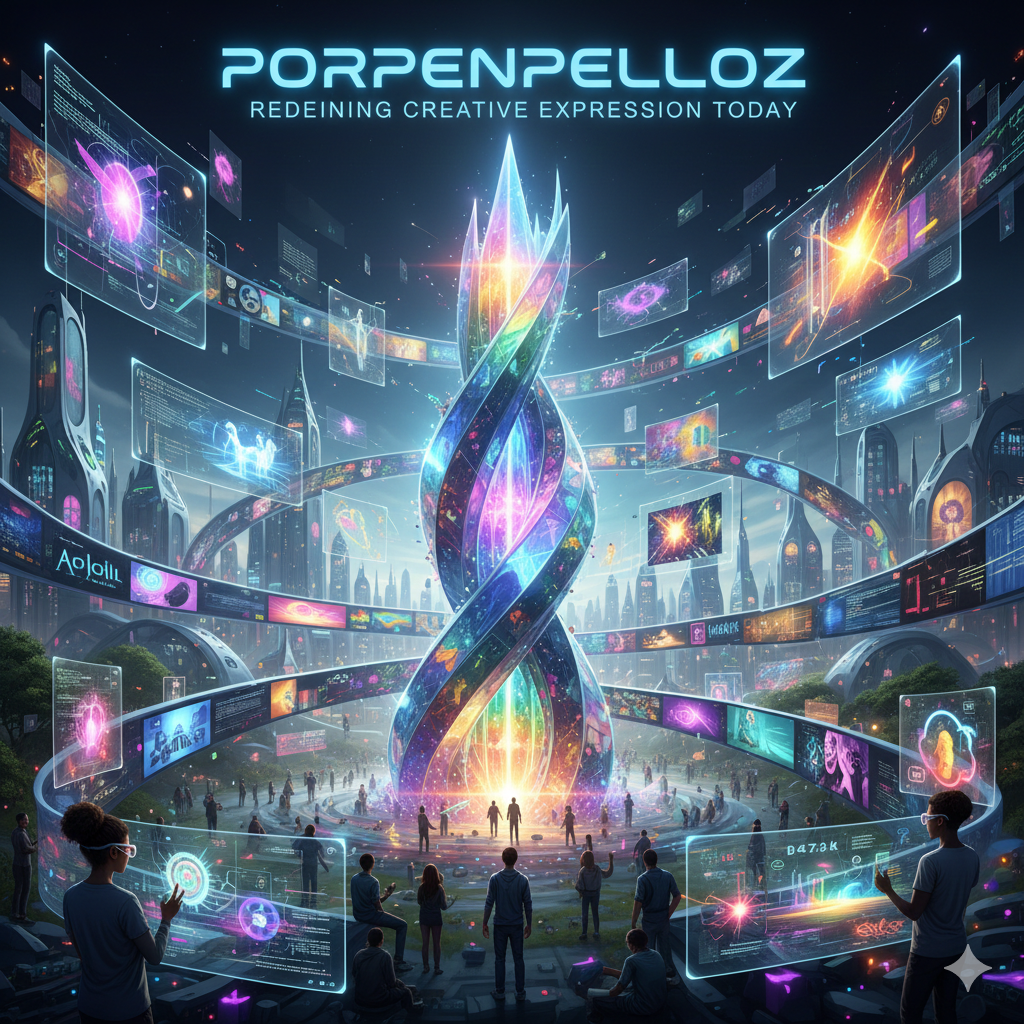
In the ever-evolving landscape of artistic innovation, a new phenomenon has emerged from the digital ether: Porpenpelloz. More than just a style or movement, Porpenpelloz represents a radical reimagining of what creative expression can be in our hyperconnected, algorithmically-mediated world. It’s not a term you’ll find in traditional art textbooks—at least not yet—but its influence is subtly permeating galleries, social media feeds, and virtual spaces, challenging creators and audiences alike to see art anew.
What is Porpenpelloz?
At its core, Porpenpelloz is a conceptual framework that embraces deliberate imperfection, algorithmic serendipity, and multi-sensory layering. The name itself, seemingly nonsensical, defies easy categorization—a fitting label for an idea that resists definition.
Practitioners of Porpenpelloz—often called “Porpenists”—operate on a few key principles:
- The Aesthetic of Constructed Chaos: Porpenpelloz finds beauty in the unexpected collisions of order and disorder. It might involve introducing controlled bugs into digital code to create visual art, or using weather data to alter the narrative path of a story in real-time.
- The Audience as Co-Creator: A Porpenpelloz work is never truly finished. Its final form is often determined by audience interaction, environmental data, or live input, making the viewer an essential participant in the creative act.
- Hybrid Materiality: It blurs the line between the digital and the physical. A sculpture might evolve via software updates; a painting could respond to the emotions of a crowd via biometric sensors.
The Porpenpelloz Effect on Contemporary Creativity
Democratizing the Unpredictable: In an age where digital tools often prioritize polish and perfection, Porpenpelloz champions the beauty of the flaw, the glitch, and the happy accident. Apps and platforms are now emerging that incorporate principles, offering creators tools to “controlled dismantling” of their work, allowing algorithms to reinterpret their initial input. This democratizes a form of creative spontaneity that was once the domain of chance operations in avant-garde art.